June 23, 2026
Japanese Secondhand Fashion Expands Across Asia
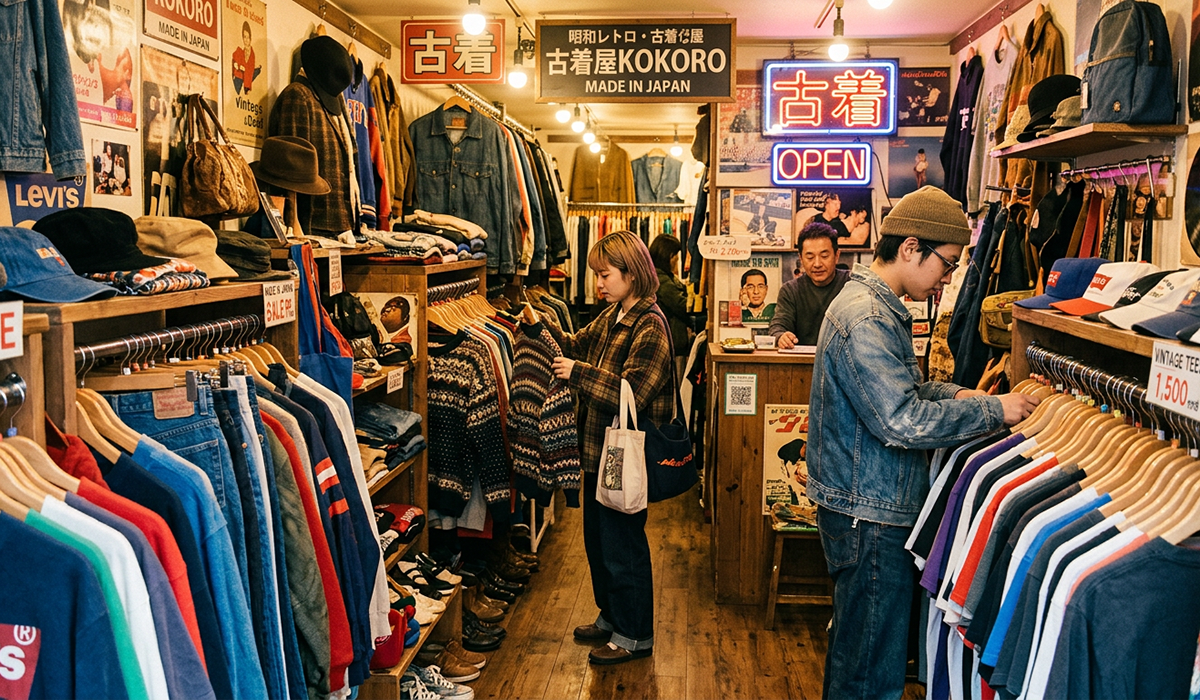
"Used in Japan" Emerges as a Competitive Advantage
Japanese apparel and reuse companies are accelerating their expansion across Asia as demand for sustainable fashion continues to grow. Rather than competing solely on price, they are leveraging the reputation of "Used in Japan" products—well-maintained secondhand clothing known for their quality, authenticity, and careful inspection.A notable example is Tin Pan Alley, a subsidiary of apparel giant World and operator of the resale chain Ragtag. In June, the company opened the first overseas store of its budget-oriented vintage brand Use Bowl in Kuala Lumpur, Malaysia. Launched in 2023, Use Bowl offers affordable secondhand fashion, with the Malaysian store featuring a core price range of around ¥1,000, significantly lower than its Japanese outlets. Together, Ragtag and Use Bowl aim to expand from three stores today to about 30 locations across Thailand, Taiwan, Hong Kong, and Malaysia by 2029.
Other Japanese reuse retailers are following a similar path. Geo Holdings, which operates 2nd STREET, plans to increase its Malaysian store network to 55 locations and expand to 50 stores in Thailand by fiscal 2034. The company offers everything from luxury brands to casual apparel, with "Used in Japan" items enjoying strong popularity among local consumers. Treasure Factory is also expanding steadily, with stores in Thailand and Taiwan and plans to open two to three additional outlets annually.
According to Akira Morita, Japan Leader of the Consumer Goods & Retail Group at Boston Consulting Group (BCG), Japanese reuse retailers have earned consumer trust through rigorous operational standards, including meticulous inspections for stains and odors as well as careful repair and refurbishment.
The global resale market continues to expand rapidly. BCG estimates that the worldwide secondhand fashion and luxury goods market will reach US$360 billion by 2030, representing a 60% increase from 2025. Reflecting this trend, Geo Holdings reported overseas sales of ¥27.7 billion in the fiscal year ended March 2026, up 36% from the previous year.
As sustainability becomes a driving force in consumer purchasing decisions, Japanese companies are proving that secondhand products can deliver value beyond affordability. Increasingly, "Used in Japan" is becoming a mark of quality and reliability, extending Japan's reputation for craftsmanship into the global circular economy.