August 3, 2026
Japan's Grass-Fed Dairy Revolution (Part 3)
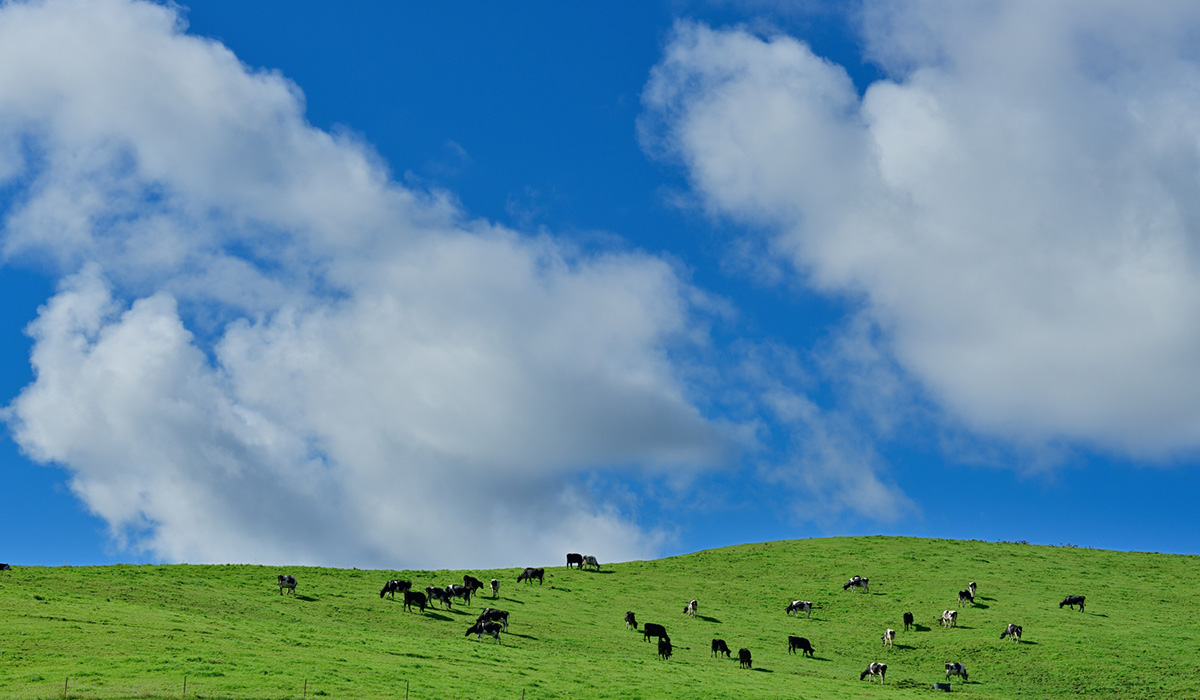
From Pasture to Plate: How Grass-Fed Dairy Is Revitalizing Rural Japan
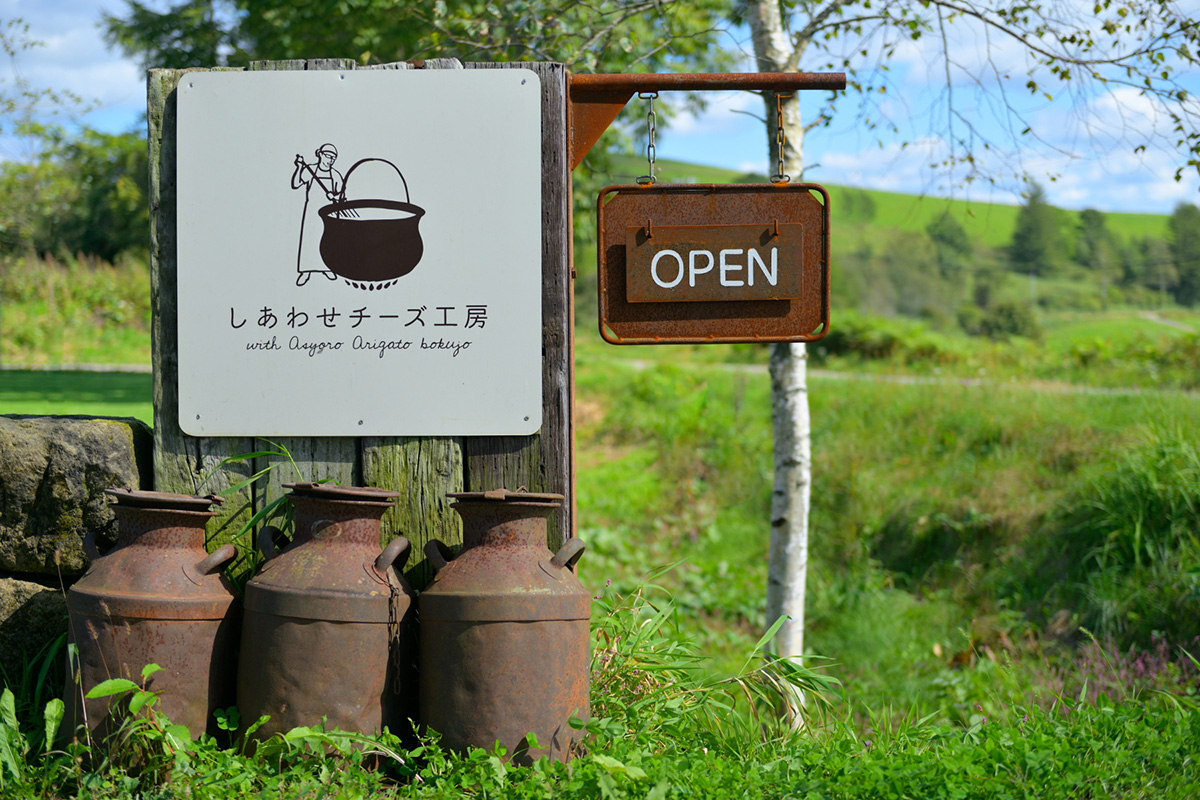
A great cheese begins long before the cheesemaker opens the milk vat. It begins in the pasture. For Sachio Homma, founder of Shiawase Cheese Factory in Ashoro, eastern Hokkaido, that realization changed the course of his career. As a young cheesemaker, Homma spent years studying production techniques across Japan. He refined his skills, invested in equipment, and experimented with different recipes.Yet something was missing. "I eventually realized that cheese is determined first by the quality of the milk," he recalls. That insight led him to one conclusion: if he wanted to produce world-class cheese, he first needed exceptional milk. He found it at a nearby pasture-based dairy known as Arigato Farm. For more than a decade, the two have worked side by side, proving that great cheese begins with healthy cows grazing on healthy grass.
The Flavor of the Landscape
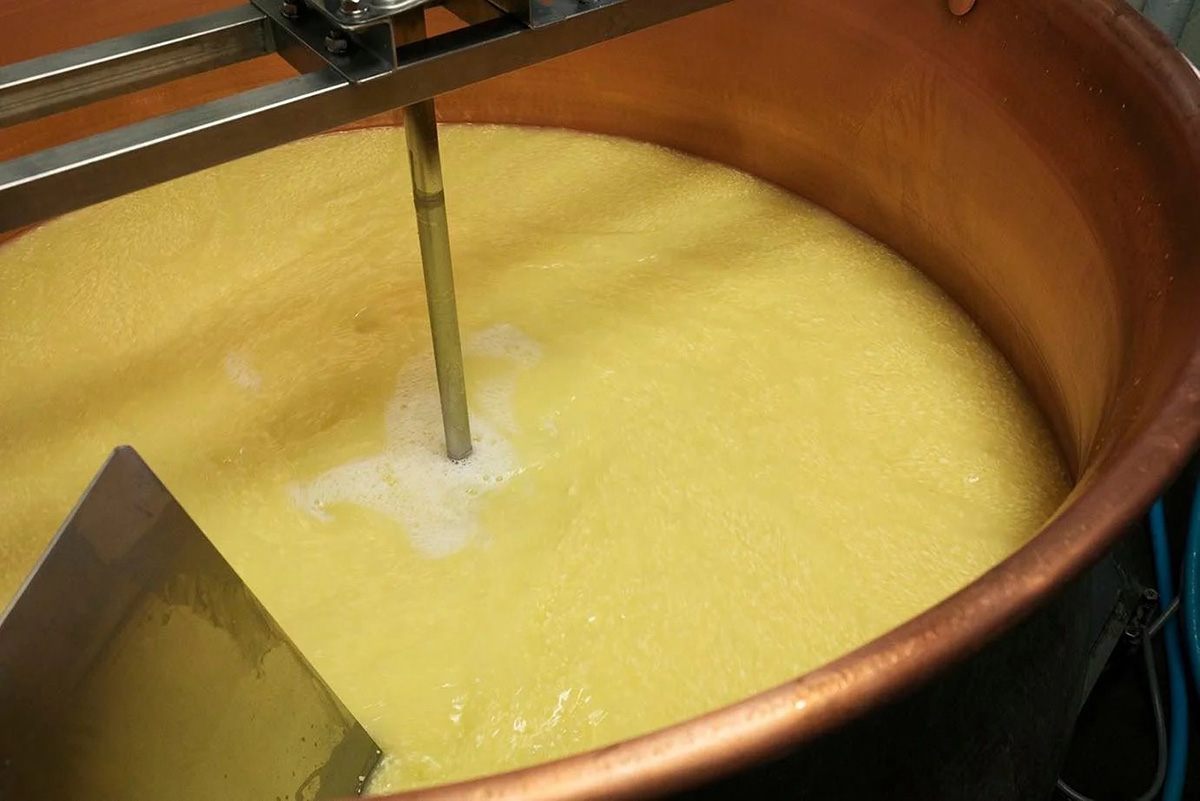
Every morning, fresh milk arrives directly from the pasture. Inside large traditional copper vats, cheesemaking begins only hours after milking. The process itself follows techniques perfected in Europe over centuries, but the milk tells a distinctly Japanese story. Seasonal grasses, Hokkaido's cool climate, and the rhythms of pasture grazing all influence the final flavor.Spring milk produces cheeses with different characteristics from winter milk. No two seasons are exactly alike. Rather than trying to eliminate those differences, Homma embraces them. His ambition is not to imitate European cheeses, but to express Hokkaido through cheese. That philosophy has already earned international recognition, with its products receiving awards at global cheese competitions.
Beyond Milk: Building Rural Value
Grass-fed dairy is also inspiring innovation well beyond the farm. One notable example is Hokkaido Confect Group, a company best known for premium confectionery. Its president, Shintaro Naganuma, became convinced that outstanding desserts begin with outstanding dairy ingredients. After hearing a French pastry chef praise the extraordinary richness of custard made from grass-fed Jersey milk, he decided not only to source such milk—but eventually to establish pasture-based dairy farms of his own.Today, the company produces butter, cream, and confectionery made from grass-fed milk, highlighting the seasonal character of the ingredients. Rather than hiding natural variation, the company celebrates it. Winter butter, for example, develops a richer texture and deeper flavor than butter produced during other seasons. This approach reflects a familiar concept in the wine world: terroir. Just as grapes express the climate and soil where they are grown, milk can express the landscapes where cows graze.
Sustainability That Consumers Can Taste
The benefits extend beyond flavor. Pasture-based dairy farming creates a natural cycle in which cows fertilize the land, healthy grass regenerates, and soil captures carbon while supporting biodiversity. Compared with imported grain-based feeding systems, grazing can reduce dependence on global feed supplies while making better use of local natural resources.Increasingly, consumers are paying attention. Many are choosing products not only because they taste better, but because they support farming systems that prioritize animal welfare, environmental stewardship, and rural communities. For producers, sustainability is no longer simply a moral responsibility. It is becoming a competitive advantage.
A New Destination for Food Travelers
Grass-fed dairy may also offer Japan an opportunity to develop a new form of gastronomic tourism. Across Europe, small villages have built international reputations around regional cheeses and traditional dairy culture. Japan possesses the same potential. Visitors can already discover artisan cheese factories, family-run dairy farms, seasonal farm cafés, and locally produced butter, yogurt, and ice cream—all rooted in the landscapes where they are made.These are experiences that cannot be replicated in cities. They invite travelers to slow down, meet producers, and understand the connection between nature, agriculture, and food. For international visitors seeking authentic regional experiences, pasture-based dairy could become one of rural Japan's most compelling stories.
Looking Ahead
Grass-fed dairy farming is unlikely to replace Japan's highly efficient conventional dairy industry. Nor should it. The two systems serve different purposes and meet different market needs. But the growing interest in pasture-based farming reflects a broader shift in how society defines value. Today's consumers increasingly care not only about what they eat, but also how it is produced, where it comes from, and who made it. Japan's grass-fed dairy movement answers all of those questions.It demonstrates that profitability and sustainability can coexist, that animal welfare and food quality can reinforce each other, and that preserving rural landscapes can create entirely new economic opportunities. Perhaps the future of Japanese dairy is not about producing more milk. It is about producing milk with a story worth telling.
About the Founders
Sachio & Hitomi Homma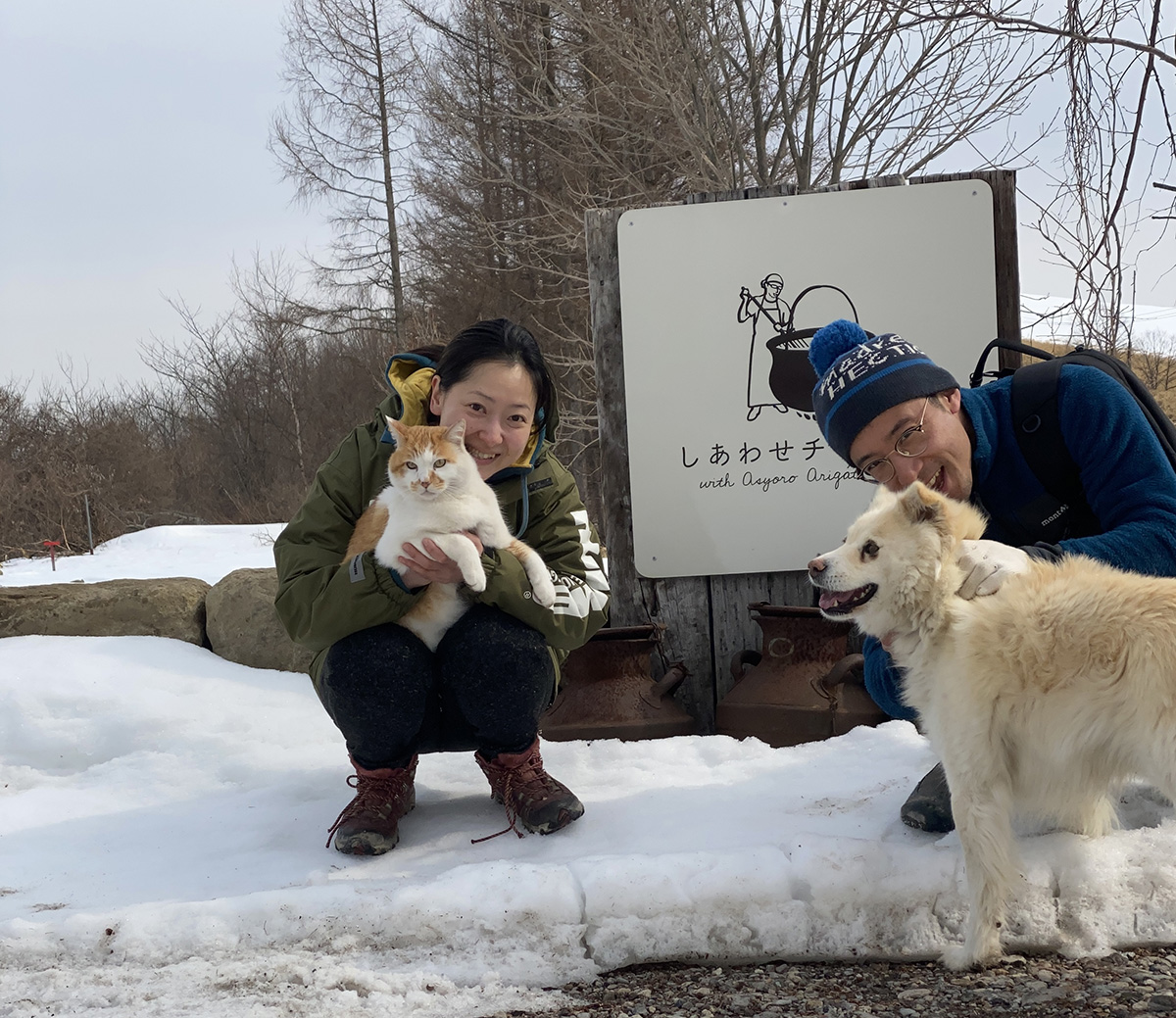
From his high school days, Sachio Homma dreamed of becoming a cheesemaker. After graduating from an agricultural university in his native Nagano Prefecture, he moved to Hokkaido in search of the ideal place to craft exceptional cheese. Traveling from one dairy farm to another, he carried a small pot and portable gas stove, borrowing freshly drawn milk from local farmers and making cheese on-site to refine his skills.
During this journey, he encountered Yoshikawa of Arigato Farm in Ashoro, whose unwavering commitment to pasture-based dairy farming left a lasting impression on him. Inspired by that philosophy, Homma began crafting cheese exclusively from Arigato Farm's milk. In 2016, he and his wife, Hitomi, established Shiawase Cheese Factory, dedicated to expressing the character of Hokkaido through artisan cheese.