March 30, 2026
Lawson Targets India’s Rising Middle Class with Major Expansion Plan
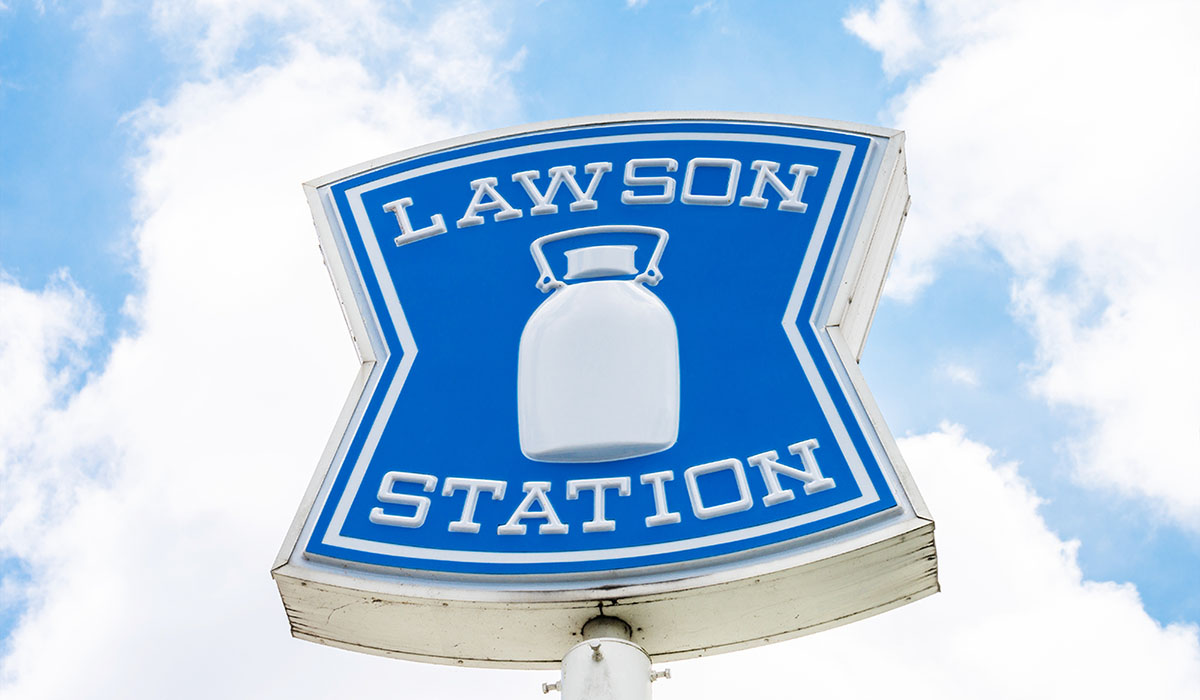
yu_photo - stock.adobe.com
A Bold Move into One of the World’s Fastest-Growing Markets
Japanese convenience store giant Lawson is entering the Indian market, aiming to open its first stores in Mumbai in 2027 and expand to 100 locations by 2030. The move reflects the company’s growing focus on overseas expansion as Japan’s domestic convenience store market approaches saturation.Lawson plans to establish a wholly owned local subsidiary in fiscal 2026 and launch five directly operated stores in Mumbai the following year. After testing locations, consumer demand, and logistics systems, the company intends to accelerate expansion through franchise partnerships and licensing agreements. Long term, Lawson is targeting 10,000 stores across India by 2050.
Bringing Japanese Convenience Culture to India
The retailer plans to introduce its signature Japanese convenience store model to India, offering products such as rice balls, sandwiches, prepared meals, freshly brewed coffee, and counter-side items, including oden. At the same time, Lawson is adapting its strategy to local consumer needs by expanding vegetarian options and meat- and egg-free options, reflecting India’s diverse religious and cultural food practices.Production and logistics will largely be handled by local partners. Lawson believes India’s cold chain infrastructure is improving enough to support fresh food-focused convenience retailing.
Big Opportunity, Tough Competition
According to the International Monetary Fund, India is expected to become the world’s third-largest economy by nominal GDP by 2029. Rising incomes and a rapidly expanding middle class are fueling demand for affordable yet high-quality retail services. Still, India remains a difficult market to navigate. Foreign retailers face local sourcing regulations, while consumer tastes vary widely across regions. The market is also dominated by roughly 15 million traditional “kirana” neighborhood stores that remain deeply embedded in everyday life. Japanese convenience store operators have already encountered these challenges. 7-Eleven entered India in 2021, but currently operates only around 60 stores.For Lawson, success in India could become critical to its global growth strategy. The company already operates about 7,800 overseas stores in markets including China, Indonesia, and Thailand, but increasing competition in China is pushing the retailer to seek its next major growth engine. India may now become its most important overseas challenge and opportunity yet.