March 10, 2026
Tully’s, Kohikan, and Veloce Accelerate FC Growth Strategy
vacant - stock.adobe.com
Leading players such as Tully's Coffee Japan and C-United are now placing franchising at the center of their long-term growth plans. The move reflects a broader transformation in Japan’s café market, where operators are seeking faster and more cost-efficient ways to secure prime locations while reducing operational risks.
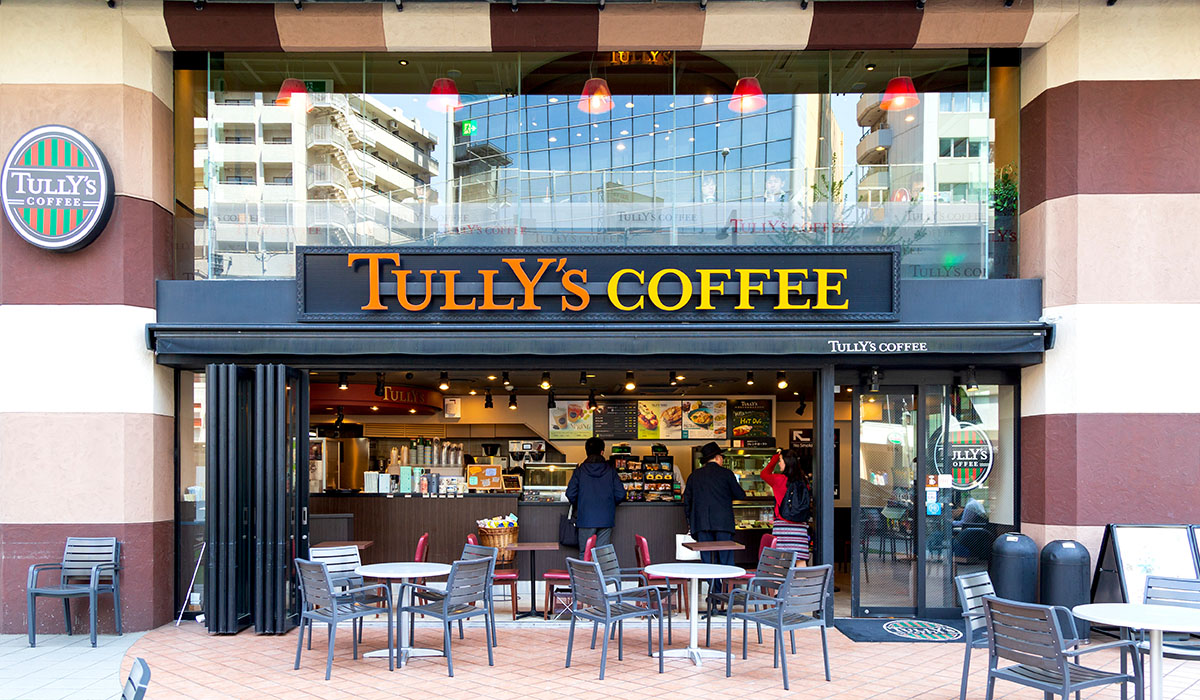
Tully’s Coffee Japan aims to expand its domestic store network by roughly 20 percent, to 1,000 locations, by 2030. A key part of this strategy is expanding the franchise store network from approximately 380 outlets today to around 500. The company plans to raise the proportion of franchise locations in annual new openings from about 20 percent to nearly half. To encourage expansion, Tully’s significantly reduced franchise entry fees in 2025, cutting the initial fee from ¥8 million to ¥4 million. Franchise operators opening multiple stores receive even larger discounts, with second and subsequent store fees reduced to ¥2 million. The company also abolished renewal fees, making long-term operation more attractive for franchise owners.
Rather than relying only on new investors, Tully’s is encouraging existing operators to manage multiple stores and is also considering converting some directly managed locations into franchise operations. C-United, which operates brands including Cafe Veloce, Kohikan, and Café de Crie, is pursuing a similar path. The company plans to increase the number of franchise stores across its three brands by nearly 80 percent by 2030, from 178 to approximately 320. Cafe Veloce officially began full-scale franchise operations in 2025 as part of this push.
Lower Investment, Faster Expansion
The aggressive move toward franchising is largely driven by soaring development costs. According to Japan’s Ministry of Land, Infrastructure, Transport and Tourism, planned construction spending in the restaurant industry doubled between 2020 and 2024 due to rising material prices. For chains like Tully’s, opening a directly operated café can require ¥70 million to ¥80 million per location. Under the franchise model, however, much of the burden, including property investment and staffing costs, is carried by franchise owners, allowing headquarters to expand with significantly lower capital expenditure.Franchise operations also provide an advantage in Japan’s tightening labor market. Because franchise stores require fewer full-time employees from headquarters, chains can expand more rapidly despite ongoing workforce shortages. Other restaurant operators are following the same trend. Doutor Nichires Holdings has also strengthened its franchise strategy, with franchise outlets accounting for around 70 percent of new store openings in recent months.
Japan’s café market is expected to grow to nearly ¥1.5 trillion in 2025, according to research firm Fuji Keizai. However, competition is becoming increasingly intense. Global brands such as Starbucks continue to expand aggressively in Japan, while lower-priced café chains from China and South Korea are entering the market. As competition intensifies, securing strong locations quickly has become essential. Franchise expansion offers chains the speed and flexibility needed to maintain market presence while limiting financial exposure. At the same time, the strategy comes with challenges. As franchise networks grow, maintaining consistent service quality and customer experience across locations will become increasingly important. For Japan’s café operators, the next stage of growth will depend not only on attracting franchise owners but also on preserving brand standards in an increasingly crowded market.