February 18, 2026
When AI Reads the Shelf: Rethinking Food Loss and Missed Sales in Japan’s Convenience Stores
Cultural Affairs Agency Trains AI Translators and Develops Detection Systems to Protect Copyright and Expand Global Reach
In Japan’s convenience stores, perfection has long been judged by what is visible on the shelf, not by what is missing. Yet behind the appearance of abundance lies a constant dilemma: order too much and food is wasted, order too little and sales disappear. Now, artificial intelligence is beginning to transform that equation.By quietly monitoring shelves through AI-powered cameras, convenience stores are turning even the temporary absence of a rice ball or lunch box into actionable data. What once relied heavily on staff intuition is evolving into a system driven by real-time analysis, demand forecasting, and operational precision.
Turning Empty Shelves into Data
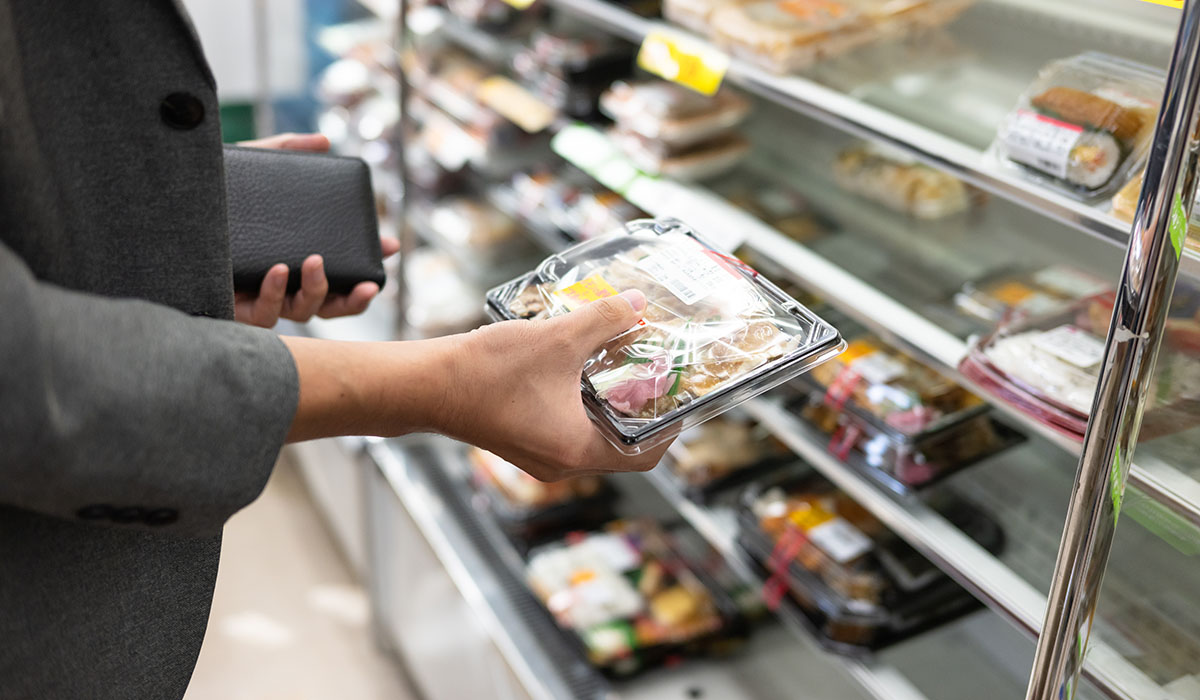
FamilyMart is introducing a system that uses AI-equipped security cameras to detect out-of-stock situations in stores. Cameras capture shelf images every hour, and the AI evaluates product availability using a 100-point scoring system. Lower scores indicate shortages and trigger ordering adjustments for the next delivery cycle. For example, if the onigiri section shows unusually low stock during the morning rush, the system automatically recommends increased replenishment for later deliveries. The same approach can also optimize the preparation of freshly made foods near the register, where timing is critical.The initiative reflects a broader challenge facing Japan’s convenience store industry. Rising raw material and labor costs have pushed operators to reduce waste and tighten inventory management. However, excessive caution in ordering often leads to missed sales opportunities. Traditionally, inventory decisions depended largely on store staff experience and visual judgment. But fluctuating demand, weather shifts, holidays, and changing consumer behavior have made those methods increasingly difficult to sustain. FamilyMart plans to expand the AI system to 500 stores by the end of 2026, while also extending coverage to boxed lunches, beverages, and ready-to-eat products.
From Convenience Stores to Smart Retail
The movement goes far beyond one retailer. Across Japan, major chains are racing to build “smart retail” ecosystems powered by AI, image analysis, and big data. Lawson, together with KDDI, plans to launch a next-generation experimental store in Osaka that uses AI to predict stock shortages before they occur. Purchase histories collected through smartphone apps will also help recommend products tailored to individual customer preferences.Meanwhile, Trial Holdings and NEC are developing a large-scale data-sharing platform involving more than 60 companies, including Suntory and Mitsui & Co. Retail Group. The goal is to connect sales floors, logistics networks, inventory systems, and consumer purchasing data into a single AI-driven supply chain. According to research firm Global Information, the global smart retail market is projected to reach approximately $184 billion by 2032, nearly four times its size in 2024.
A New Philosophy of Food Distribution
What makes this shift particularly significant is not simply the technology itself, but the philosophy behind it. For decades, convenience stores succeeded by maintaining shelves that appeared endlessly full. Today, however, retailers are recognizing that sustainability and profitability must coexist. Reducing food waste can no longer come at the expense of empty shelves, and maximizing sales can no longer justify overproduction. AI is increasingly becoming the bridge between those competing pressures.In this emerging retail model, shelves are no longer passive displays. They are sources of live behavioral data. A small empty space is interpreted not merely as missing inventory, but as a signal of consumer demand, timing, and operational efficiency. What was once managed through instinct is becoming a system of continuous learning. And in Japan’s convenience stores, one of the world’s most refined retail environments, that evolution may redefine not only how food is sold, but how value itself is understood.