May 7, 2026
Designing Fairer Public Spaces in Japan
New Guidelines Aim to Reduce Long Lines at Women's Restrooms
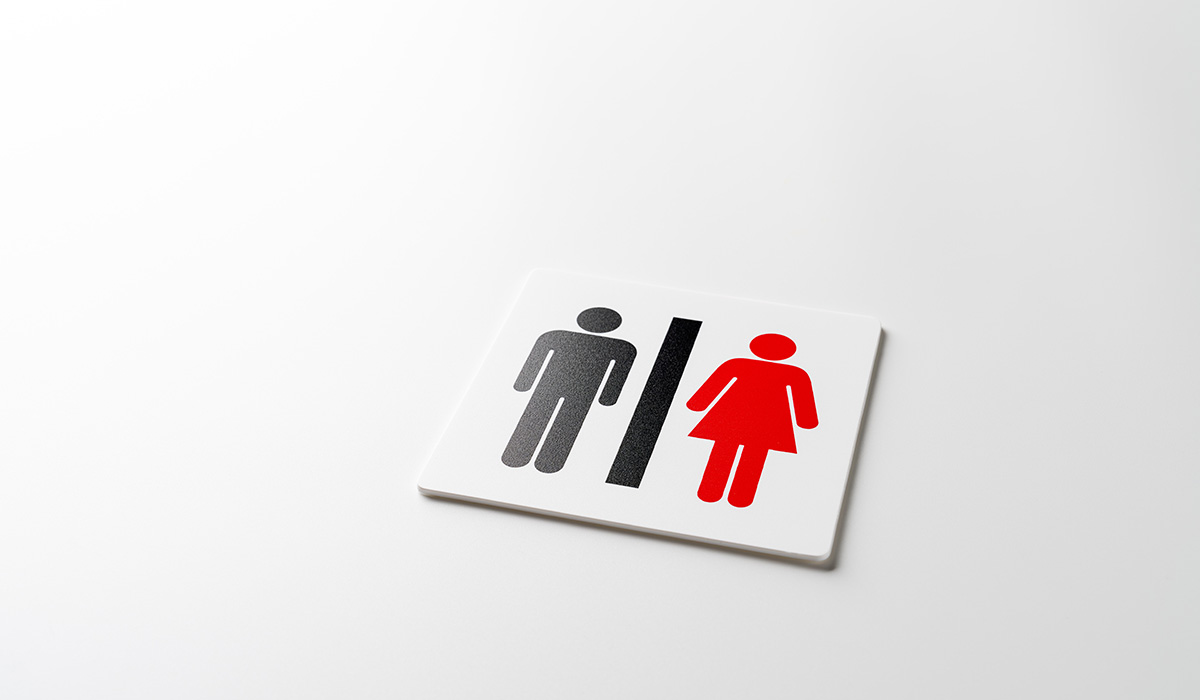
Long queues outside women's restrooms have become a familiar sight in many of Japan's busiest public spaces. Now, the Japanese government is taking its first nationwide step to address the issue, recognizing that restroom design is not only a matter of convenience but also one of fairness and accessibility.The Ministry of Land, Infrastructure, Transport and Tourism has drafted new guidelines recommending that public facilities such as railway stations, airports, stadiums, and other high-traffic venues provide at least as many women's toilet stalls as the total number of men's facilities, including both stalls and urinals, when male and female usage is roughly equal. The guidelines are expected to be formally adopted this year.
Rethinking Outdated Assumptions
For decades, many public facilities in Japan were designed on the assumption that men would make up the majority of users. However, as women's participation in the workforce and public life has increased, restroom layouts have often failed to keep pace with changing demographics. An independent survey of approximately 1,350 stations and commercial facilities found that nearly 90 percent provided more fixtures for men than for women, with men's facilities outnumbering women's by an average of 1.7 to one.Women also tend to spend more time using restrooms due to clothing changes, personal care, and other practical factors. As a result, waiting times are often significantly longer even when the number of users is similar. The issue has attracted growing political attention. Female lawmakers from both the ruling and opposition parties have called for additional women's restrooms in Japan's National Diet building, arguing that long queues can interfere with parliamentary duties.
Smart Design for a Changing Society
Because many existing facilities have limited space and renovation budgets, simply adding more restroom stalls is not always practical. Instead, Japan is also exploring smarter ways to improve efficiency. At LINE CUBE SHIBUYA in Tokyo, movable walls allow organizers to adjust the number of men's and women's restroom facilities depending on the audience attending each event. Meanwhile, Daimaru Tokyo department store uses digital signage and its website to display real-time restroom availability, helping visitors choose less crowded locations and reducing queues. Although the new government guidelines are not legally binding, they signal an important shift in how public spaces are designed.According to Junko Kobayashi, Honorary Chair of the Japan Toilet Association, reducing restroom queues is about more than convenience. It helps reduce unnecessary stress, improves productivity, and creates a more comfortable environment for everyone. As Japan continues to modernize its public infrastructure, restroom design is becoming part of a broader conversation about gender equity, user-centered planning, and how cities can better serve the needs of a changing society.