May 24, 2026
Heat Is Redefining Work in Japan
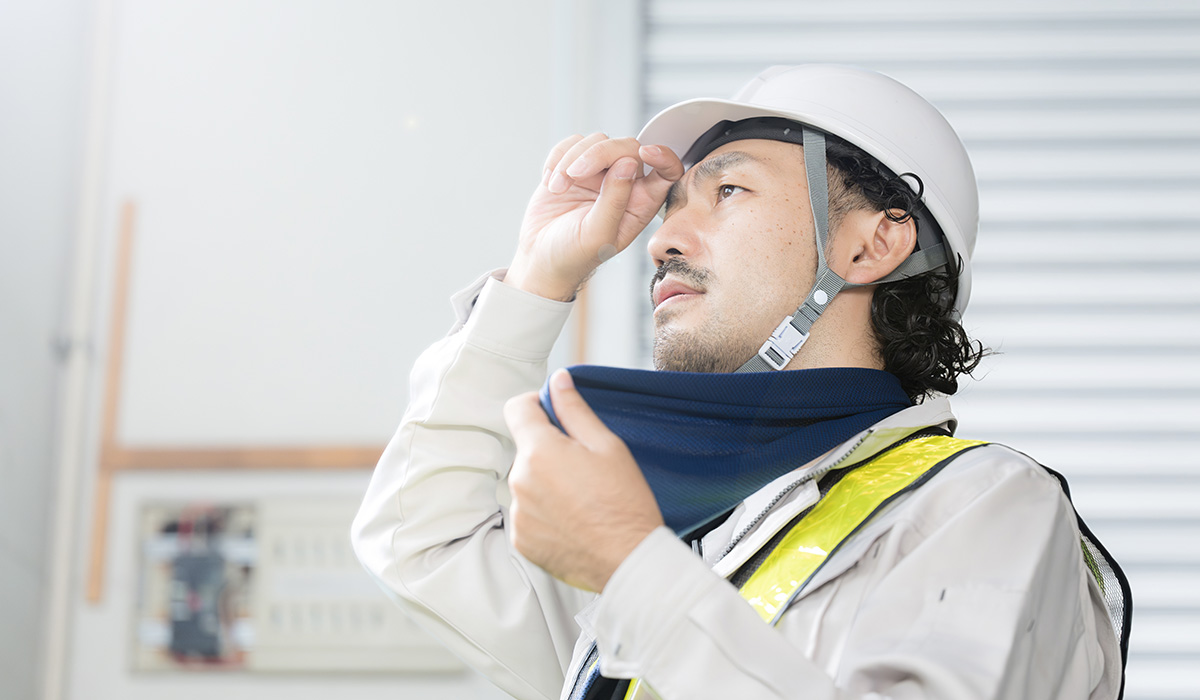
As Tokyo's Summers Turn Tropical, Companies Must Rethink Productivity and Worker Safety
Japan's summer is no longer just uncomfortable—it is becoming a business challenge. Rising temperatures and humidity are forcing companies to rethink how work is organized, as climate change increasingly affects productivity, employee health, and economic performance.Recent climate data show that Tokyo's summer weather now closely resembles that of tropical cities such as Bangkok and Singapore. What was once considered exceptional heat is becoming the new normal.
The economic consequences are significant. According to an international study led by The Lancet, heat-related productivity losses in Japan reached an estimated 2.9 billion working hours in 2024. On average, each worker lost around 43 hours of productive work due to extreme heat—roughly equivalent to five working days. The figure has doubled compared with the average of the previous decade.
Some Japanese companies are already responding with innovative solutions. Construction firm Konoike Construction has introduced extended summer breaks at selected building sites, shifting part of the workload to the cooler autumn months. Rather than relying solely on cooling equipment, the company is redesigning work schedules to reduce employees' exposure during the hottest period of the year.
From Cooling Workers to Redesigning Work
This represents a fundamental shift in thinking. Heatstroke is no longer confined to outdoor construction sites. Cases are increasing in factories, warehouses, and retail facilities, highlighting that indoor workplaces are also vulnerable. In response, Japan revised its occupational safety regulations in 2025, requiring employers to strengthen heatstroke response procedures. Nevertheless, workplace heat-related injuries continue to reach record levels.Around the world, governments are taking similar action. Qatar restricts outdoor work during the hottest hours of the day, while Spain and South Korea have introduced regulations requiring work stoppages or mandatory rest breaks during extreme heat. The lesson is becoming increasingly clear: adapting to climate change is no longer simply an environmental issue—it is a business imperative.
For Japan, the future of summer work will depend less on cooling workers and more on reducing their exposure to dangerous heat. Earlier or later working hours, seasonal redistribution of workloads, greater workplace flexibility, and expanded remote work will become increasingly important.
Japan's increasingly tropical summers offer a glimpse of a future that many countries may soon face. Companies that adapt today will not only better protect their employees but also strengthen their resilience, productivity, and competitiveness in a warming world.