November 15, 2025
Japan’s Original Vacation, Rediscovering the Healing Culture of Touji
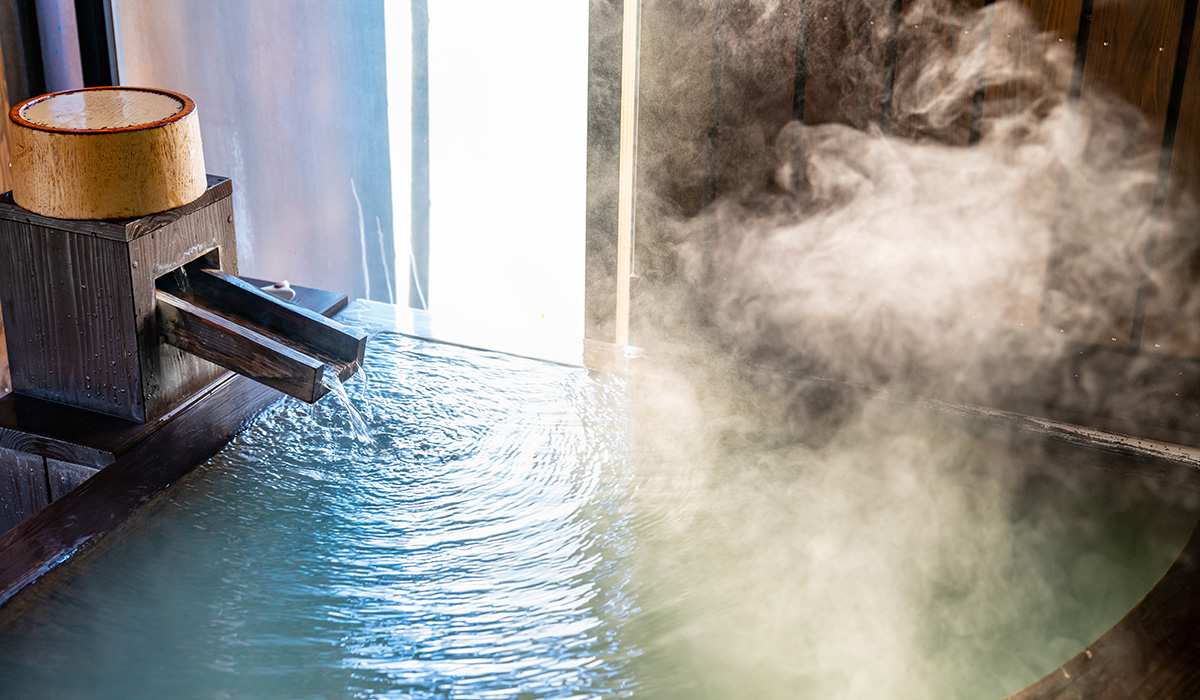
How traditional hot spring cures are being redefined as modern wellness tourism
Japan’s idea of a vacation did not begin with luxury resorts or overseas travel. It started with Touji, the traditional practice of staying at a hot spring for weeks to restore the body and mind after long periods of hard work.In the past, farmers and townspeople alike would travel to hot spring towns during the agricultural off-season. They cooked their own meals, brought bedding and utensils from home, and bathed several times a day to treat chronic fatigue and illness. Touji was not leisure in today’s sense, but rather a journey toward a better life. Aya Uchida, associate professor of tourism at Toyo University, explains that by the late Edo period, the custom had spread from the ruling classes to ordinary people. Some feudal domains even granted samurai several weeks of official hot spring leave, turning spa towns into early forms of resorts.
From Recuperation to Wellness Tourism
After Japan’s rapid economic growth, however, this culture faded. Travel became compressed into one-night, two-day trips that focused more on consumption than on recuperation. Yet the pandemic and the spread of remote work have prompted many people to rethink their lifestyles. Instead of short breaks, they are now seeking small but meaningful vacations that restore health and provide spiritual enrichment, a return in spirit to Touji.This revival is closely linked to the global rise of wellness tourism. The Global Wellness Institute estimates that the wellness tourism market will reach $ 1.3 trillion in 2025, a 60% increase from 2022. Professor Masashi Arakawa of the University of the Ryukyus notes that while wellness tourism overseas often centers on luxury resorts offering exercise programs, spa treatments, and healthy cuisine, Japan has been slow to develop such integrated experiences.
The World Health Organization defines health not simply as the absence of disease but as a state of complete physical, mental, and social well-being. In line with this thinking, wellness tourism today places growing emphasis on spiritual fulfillment, connection with nature, and immersion in local culture, trends that accelerated after COVID-19.
In this context, Japan’s hot spring towns stand out. With centuries of accumulated knowledge on therapeutic bathing and slow living, they offer exactly the environment that the global wellness market now seeks. Touji, once a quiet habit of ordinary people, is being rediscovered as a blueprint for the future of travel, a Japanese answer to how we can live, work and heal in a more sustainable way.