April 17, 2026
Japan's Wedding Industry Reinvents Itself

Major Merger Reflects a Changing Bridal Market
Japan's wedding industry is entering a new phase as two major bridal companies, Novarese and Escrit, prepare to merge in April 2026. The deal will create the country's second-largest wedding venue operator, behind Take and Give Needs (T&G), and reflects the industry's growing need to adapt to a rapidly shrinking market. The merger comes as Japan faces long-term demographic challenges. The number of marriages has fallen by approximately 25 percent over the past decade, while the bridal market has yet to recover to its pre-pandemic level. Industry research estimates that the market in 2025 will have remained below 80 percent of its 2019 size.Smaller Weddings, Bigger Challenges
Changing consumer preferences are reshaping Japan's wedding business. Couples are increasingly choosing intimate family ceremonies, casual wedding parties, or skipping traditional weddings altogether—a trend known in Japan as "Nashi-kon" ("no wedding"). At the same time, rising labor and operating costs have placed additional pressure on wedding venue operators. Industry surveys suggest that nearly one-third of wedding venues are currently operating at a loss.Against this backdrop, consolidation has become an increasingly attractive strategy. By combining Novarese's strength in regional destination-style weddings with Escrit's urban venues and affordable wedding packages, the merged company hopes to serve a broader range of customers while improving operational efficiency.
Beyond Weddings: A New Business Model
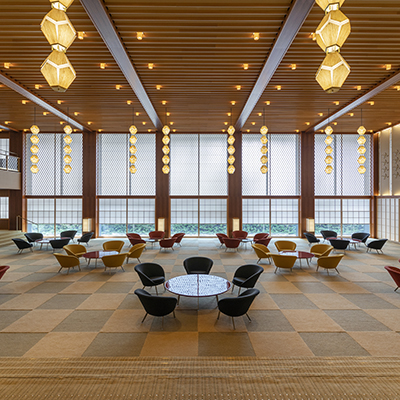
The merger also highlights a broader transformation taking place across Japan's bridal industry. Rather than relying solely on wedding ceremonies, operators are expanding into hotels, conferences, banquets, and other hospitality businesses. TKP, the conference facility operator that is the largest shareholder in both companies, plans to make greater use of wedding venues during weekdays by renting them as meeting and event spaces, increasing occupancy throughout the week. The companies are also exploring further investment in accommodation facilities, reflecting a growing trend of integrating wedding venues with hotels and broader hospitality services.Major competitors are following similar strategies. Industry leader T&G has shifted its growth focus toward hotels, while Tsukada Global Holdings already generates a significant share of its revenue from non-wedding businesses.
As Japan's population continues to age and marriage rates decline, the future of the bridal industry is likely to depend less on weddings themselves and more on how effectively companies reinvent their business models. The Novarese–Escrit merger may well mark the beginning of a new era in Japan's hospitality industry, in which wedding venues evolve into multi-purpose destinations that serve both celebrations and business events.