August 7, 2026
More Japanese Seek Final Resting Place with Their Beloved Pets
As pets become increasingly regarded as family members in Japan, a growing number of people are hoping to spend eternity alongside their beloved dogs and cats. While cemeteries offering pet-friendly burial options are expanding, finding a suitable resting place remains a challenge due to limited availability and varying burial conditions.
Japan's changing demographics are driving this trend. In 2025, the number of pet dogs and cats reached approximately 15.7 million, surpassing the country's population of children under the age of 15. The shift reflects the increasingly important role pets play in Japanese households, with some companies even introducing bereavement leave for employees who lose a pet.
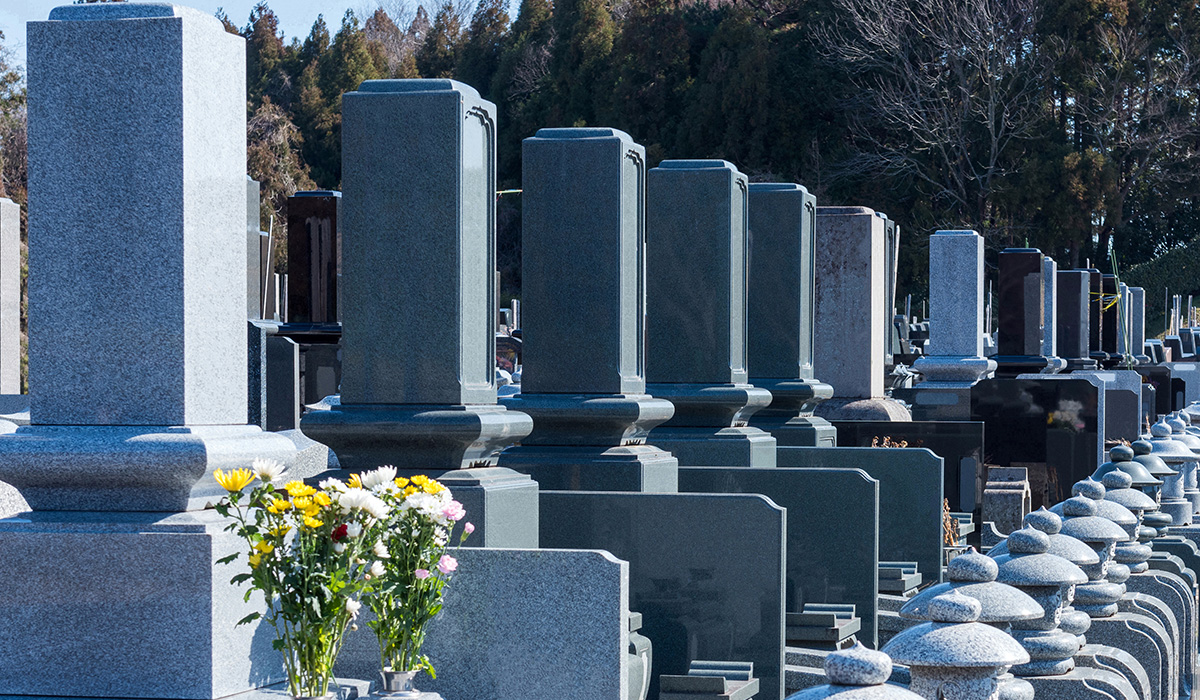
According to a nationwide survey by cemetery information provider Kamakura Shinsho, 63% of pet owners who purchased cemetery plots said they would like to be buried with their pets. However, only 36.2% have actually been able to secure such a burial site. Although Japanese law does not prohibit placing pet remains in human graves, many traditional cemeteries remain reluctant to allow joint burials out of consideration for other visitors and religious customs.
Tree Burials Offer New Opportunities, but Conditions Vary
As a result, tree burials and perpetual memorial cemeteries are attracting growing attention. More temples are beginning to accept pets as family members and are establishing dedicated sections where owners and pets can be buried together. Even so, burial policies differ widely. In some cemeteries, human and pet remains are separated and transferred to communal graves after a fixed memorial period, making it essential for families to understand the terms before purchasing a plot.Families are also encouraged to visit prospective cemeteries in person, consult specialists, and discuss their wishes with relatives before making a decision, as management policies, memorial services, and long-term arrangements vary considerably.
Memorial Practices Continue to Evolve
At the same time, Japan is witnessing the emergence of new memorial practices. Alternatives such as Aquamation, an environmentally friendly alkaline water cremation process, along with home memorials and ocean scattering are becoming more widely accepted. Some memorial services now even accommodate requests to scatter the ashes of owners together with those of their pets.Experts believe the concept of mourning is becoming more personal and diverse. Rather than following traditional customs alone, they encourage families to choose a memorial style that best reflects the bond they shared with their pets.
As Japan's aging society continues to reshape family structures and funeral traditions, the desire to remain with beloved pets, even after death, is emerging as a significant new trend in the country's end-of-life planning.