April 8, 2026
Tokyo's Luxury Hotel Map Is Changing
JW Marriott Opens in Takanawa as Global Brands Redefine Tokyo's Premium Hospitality Landscape
 beeboys - stock.adobe.com
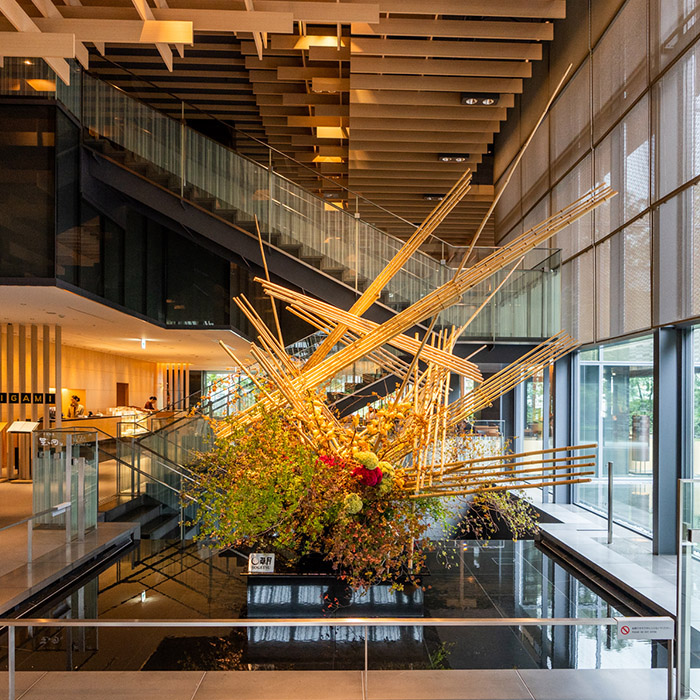
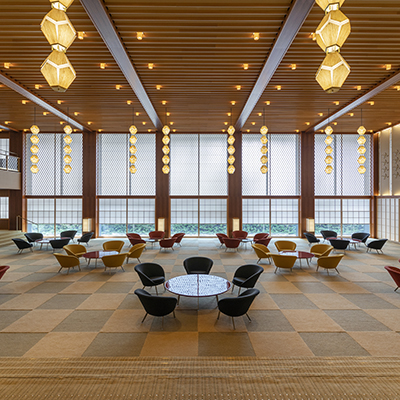
"Takanawa Gateway is one of Tokyo's most exciting new urban developments," said Marriott International President and CEO Anthony Capuano during the opening ceremony. "Its location makes it an ideal destination for both international and domestic travelers." JW Marriott Hotel Tokyo is Marriott's second JW Marriott property in Japan, following the opening of JW Marriott Hotel Nara in 2020. The hotel features 200 guestrooms, seven restaurants and bars, an indoor pool, a spa, extensive meeting facilities, and luxury suites priced at more than ¥2 million per night.
A New Luxury Hospitality Hub Emerges
The opening is part of a broader transformation of Tokyo's luxury hotel market. The Shinagawa–Takanawa area, once overlooked by global luxury brands, is rapidly becoming one of the city's most competitive hospitality districts. Fairmont Tokyo is set to open nearby, while Raffles Tokyo is scheduled to debut in 2028, creating a new cluster of internationally recognized luxury hotels.The timing reflects Japan's booming inbound tourism. According to the Japan Tourism Agency, international visitor arrivals surpassed 31.6 million during the first nine months of 2025—the fastest pace on record. Marriott describes Japan as one of its most dynamic global markets.
Global Brands Drive the Next Phase of Growth
Industry analysts believe demand for luxury accommodations remains strong, fueled by international tourism, business travel, and MICE events. Market research firm IMARC projects Japan's luxury hotel market will continue growing at an average annual rate of around 4 percent, reaching US$10 billion by 2033. Developers increasingly view internationally recognized hotel brands as valuable assets that enhance both destination appeal and real estate value. Marriott and Hilton each operate loyalty programs with roughly 200 million members worldwide, giving them powerful global marketing networks that continue to attract high-value international travelers.As Tokyo prepares to welcome even more overseas visitors in the years ahead, the opening of JW Marriott Hotel Tokyo represents not simply another luxury hotel, but a symbol of how the city's hospitality geography is evolving. The center of gravity for luxury accommodations is no longer limited to traditional districts—it is expanding into a new gateway for international business and leisure travel.
Tokyo's luxury hotel map is no longer fixed. With the rise of the Takanawa district, the city is entering a new chapter in premium hospitality—one shaped by global brands, urban redevelopment, and a rapidly growing international visitor market.