March 13, 2026
Why Is Japanese Whisky So Highly Regarded Around the World?
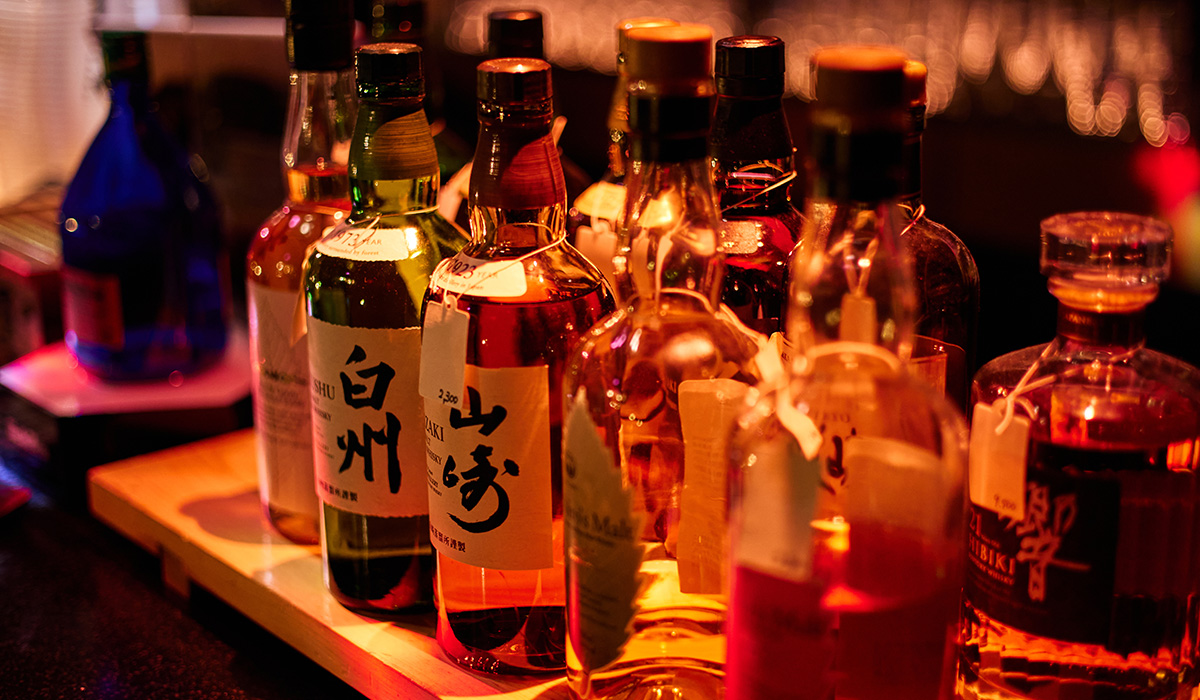 NStock - stock.adobe.com
The Art of Balance and Craftsmanship
Unlike some whiskies that emphasize bold peat smoke or intense sweetness, Japanese whisky is often admired for its balance and elegance. Master blenders carefully harmonize aroma, texture, and finish, creating whiskies that reveal subtle layers rather than overwhelming the palate. This sense of restraint is closely linked to traditional Japanese aesthetics, where refinement often comes through simplicity.Japanese manufacturing has long been associated with meticulous attention to detail, and whisky making is no exception. Everything—from selecting water sources and yeast strains to monitoring fermentation, distillation, and maturation—is approached with remarkable precision. Many distilleries continue to rely heavily on craftsmanship rather than mass production, treating each stage as an opportunity for continuous improvement.
Japanese producers are also known for their willingness to experiment. Some mature whisky is in rare mizunara oak casks, which impart unique aromas of sandalwood, incense, and oriental spices. Others explore locally grown barley, different yeast varieties, or unconventional finishing techniques while maintaining respect for traditional methods. Innovation is viewed not as breaking with tradition, but as extending it.
Inspired by Nature, Perfected by Place
Japan’s diverse geography also plays a significant role.The cool climate of Hokkaido, the humid summers of Honshu, and the warmer conditions of southern Japan all influence how whisky matures. Soft water from mountain springs, seasonal temperature changes, and local environmental conditions contribute to distinctive regional styles. Rather than producing a single “Japanese taste,” each distillery reflects its own surroundings.
Many visitors to Japan are also surprised that the whisky experience extends beyond the bottle. Japanese bartenders are internationally respected for their precision and hospitality. From the careful carving of ice to the perfectly balanced highball, serving whisky is often treated as a form of craftsmanship in itself. For many travelers, enjoying whisky in a quiet Japanese bar becomes one of the highlights of their journey.